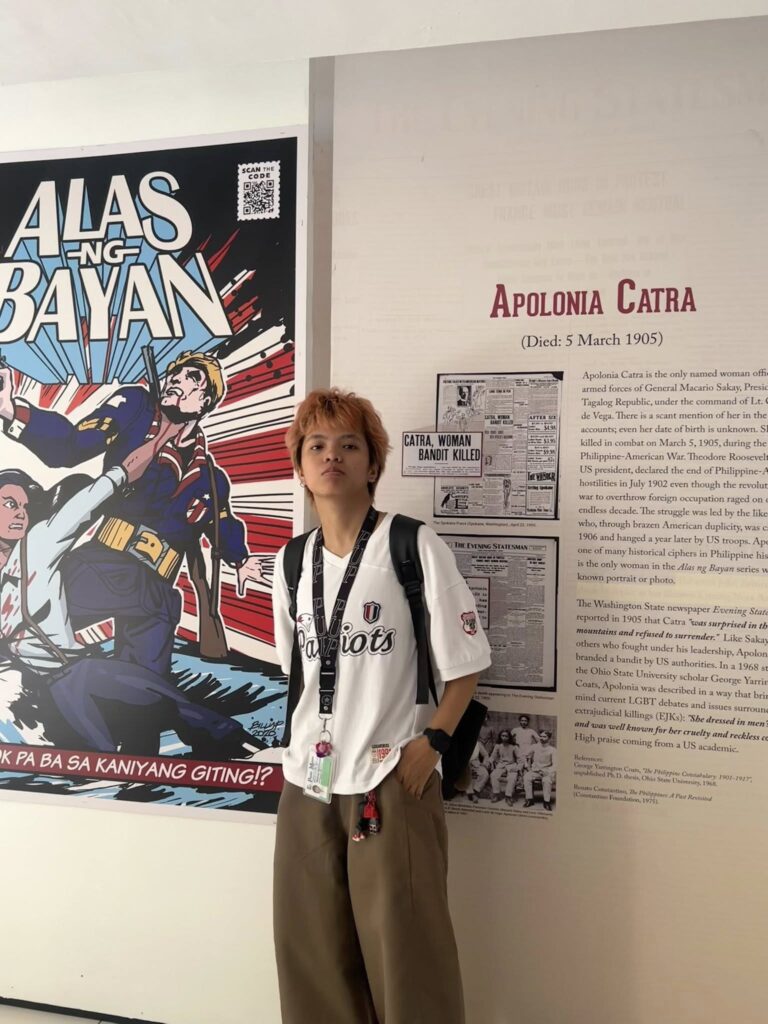
Alas ng Bayan 2.0: Student Interpretations of Heroism, Gender, and Historical Agency
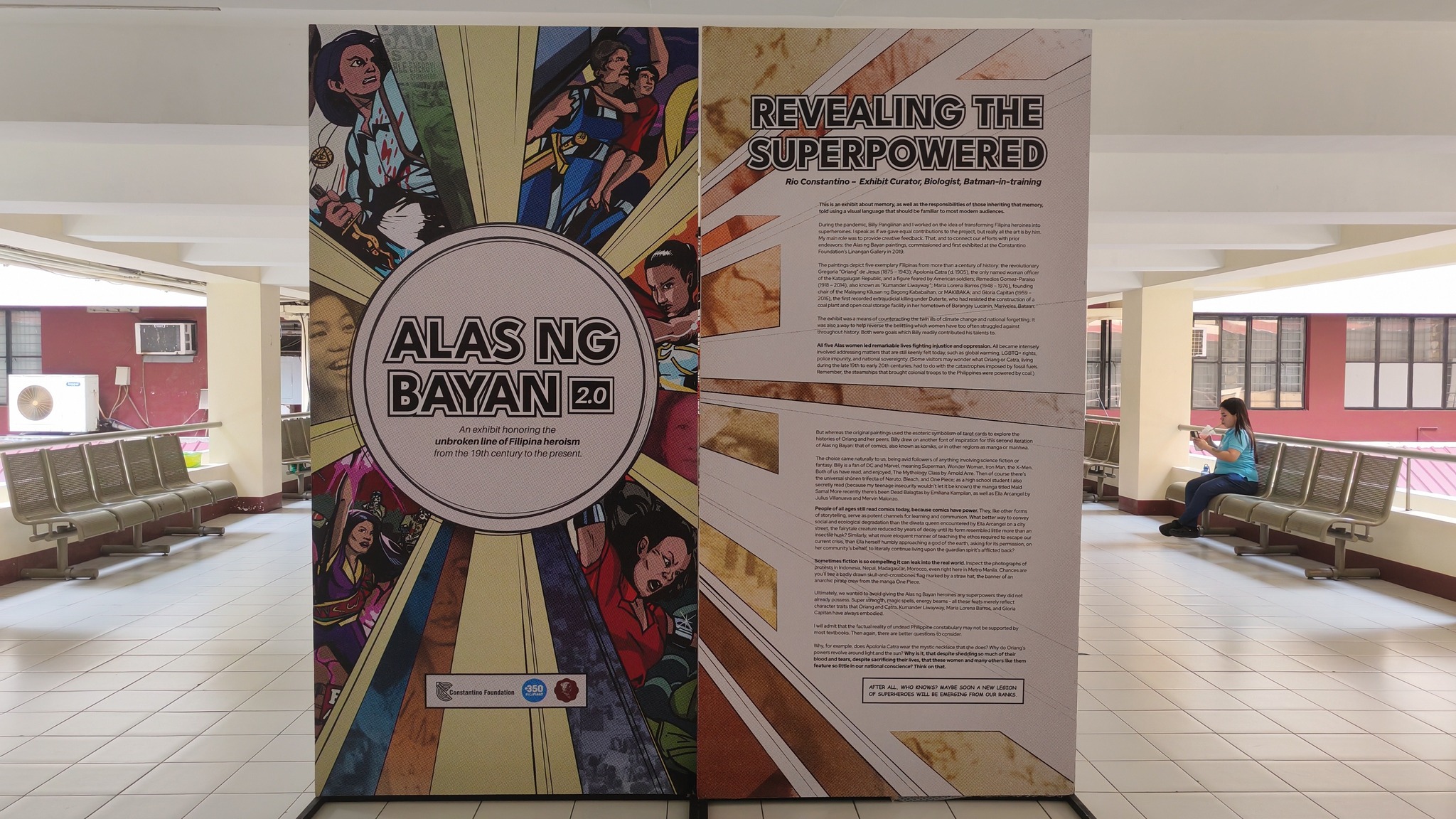
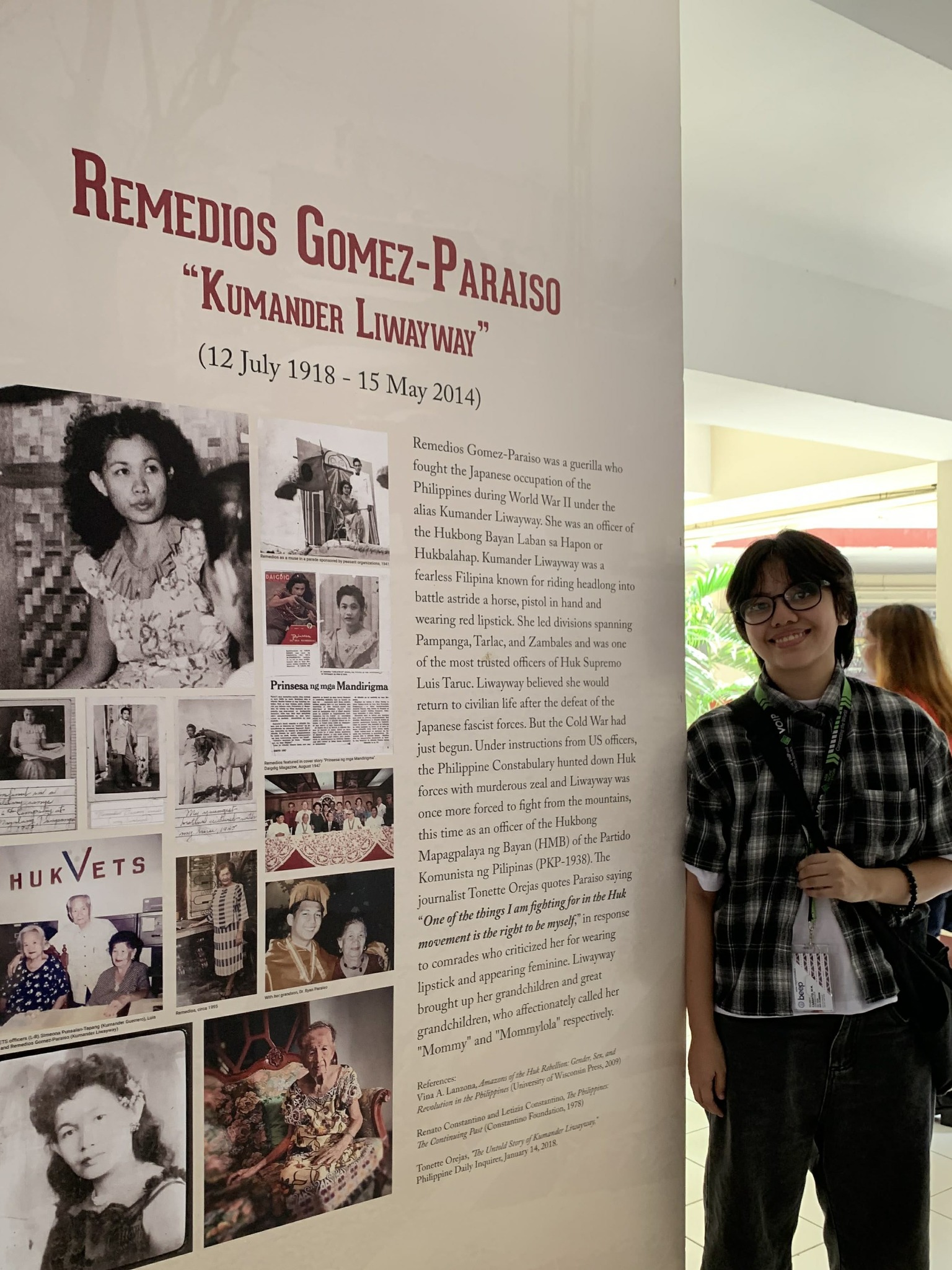
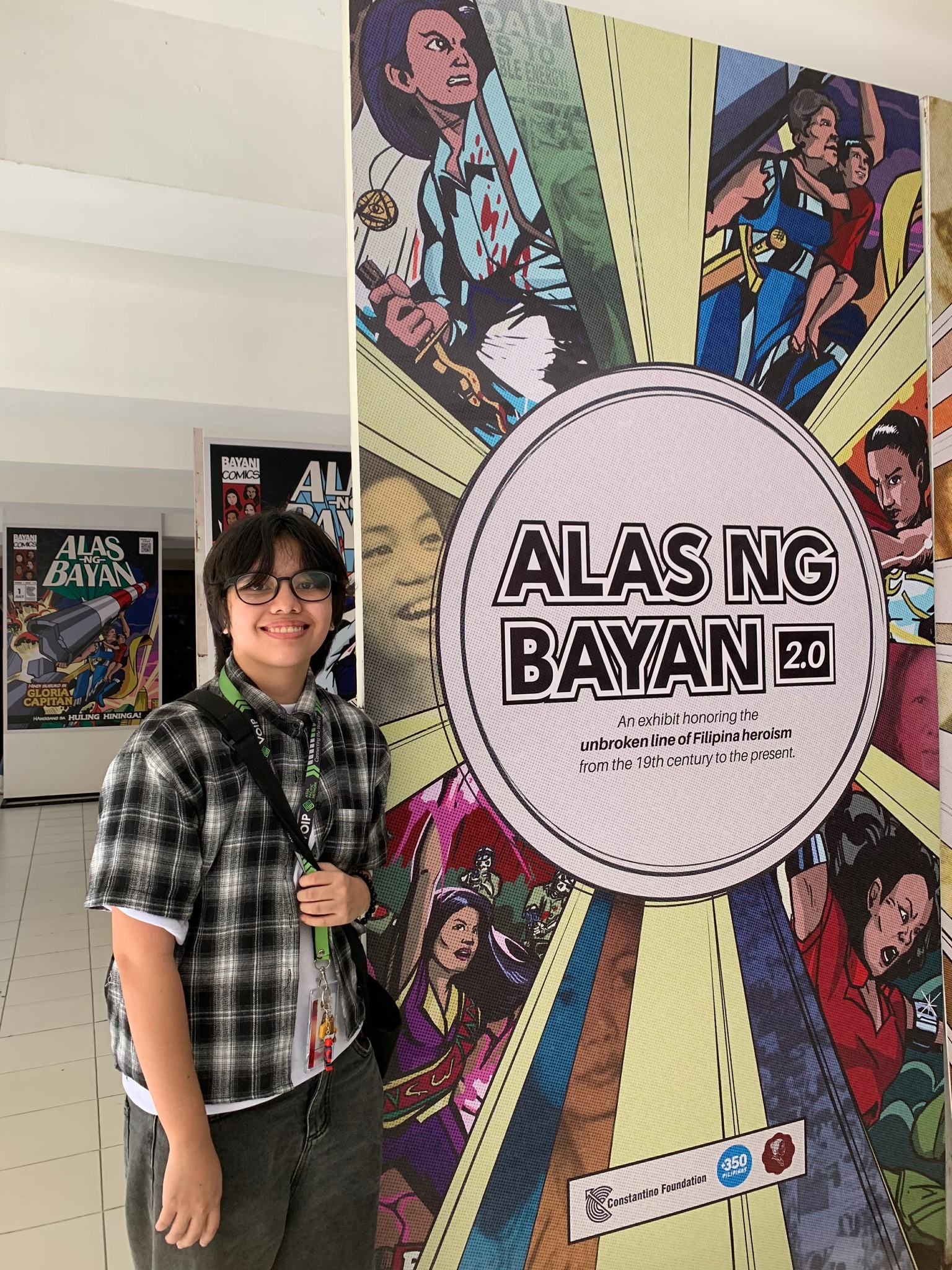
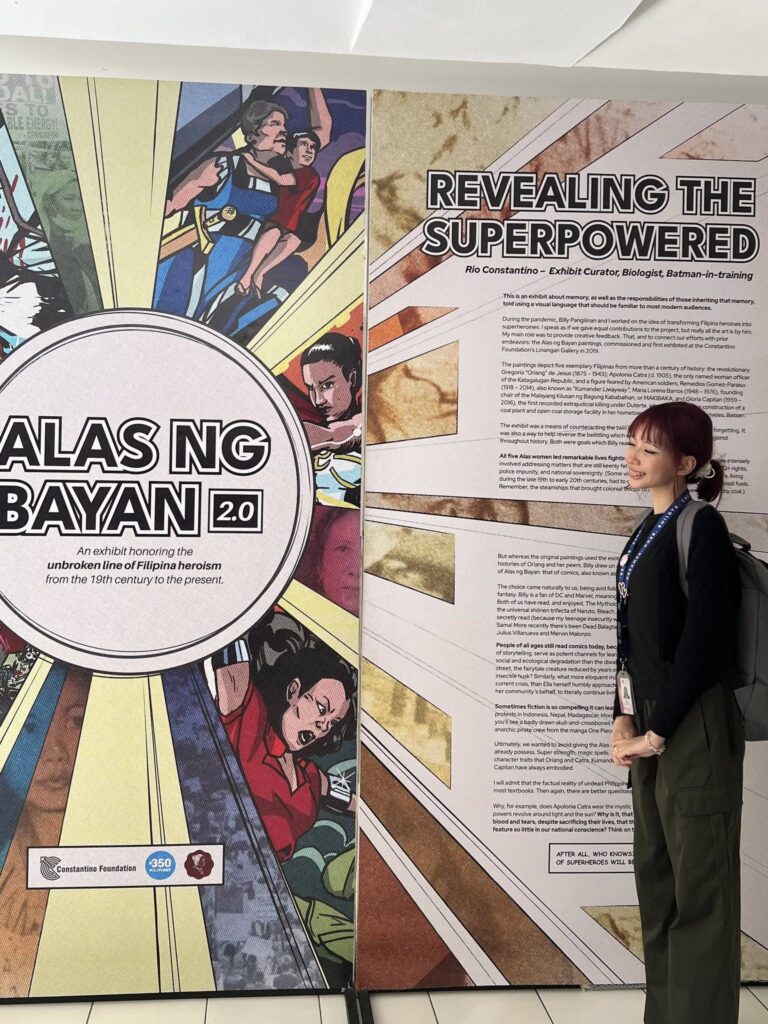
The Alas ng Bayan exhibit of the Constantino Foundation and 350 Pilipinas advances a critical engagement with Philippine history by foregrounding the political agency and historical significance of Filipinas. In its second iteration, Alas ng Bayan 2.0 positions students as active interpreters of history, inviting them to reflect on the concept of heroism and to examine how women’s contributions to nation-building are articulated, remembered, and evaluated across time.
Student reflections generated through the exhibit reveal a complex understanding of the Alas ng Bayan as a historically situated figure whose significance emerges through sustained engagement with collective struggle rather than isolated acts of valor.
Heroism as Ethical and Collective Practice
Across the student responses, heroism is consistently framed as an ethical practice rooted in service to the people. While students acknowledge armed resistance as part of Philippine revolutionary history, many emphasize that heroism cannot be reduced to militarized action alone.
As one student noted, “Hindi lahat ng bayani ay may armas; ang iba ay lumalaban sa pamamagitan ng paninindigan.” Another reflection stated that heroism entails the willingness to act “kahit may takot at panganib.”
These statements suggest a critical departure from celebratory or individualized narratives of heroism, foregrounding instead a conception of the Alas ng Bayan as accountable to collective needs and historical conditions.
Women’s Centrality in Revolutionary History
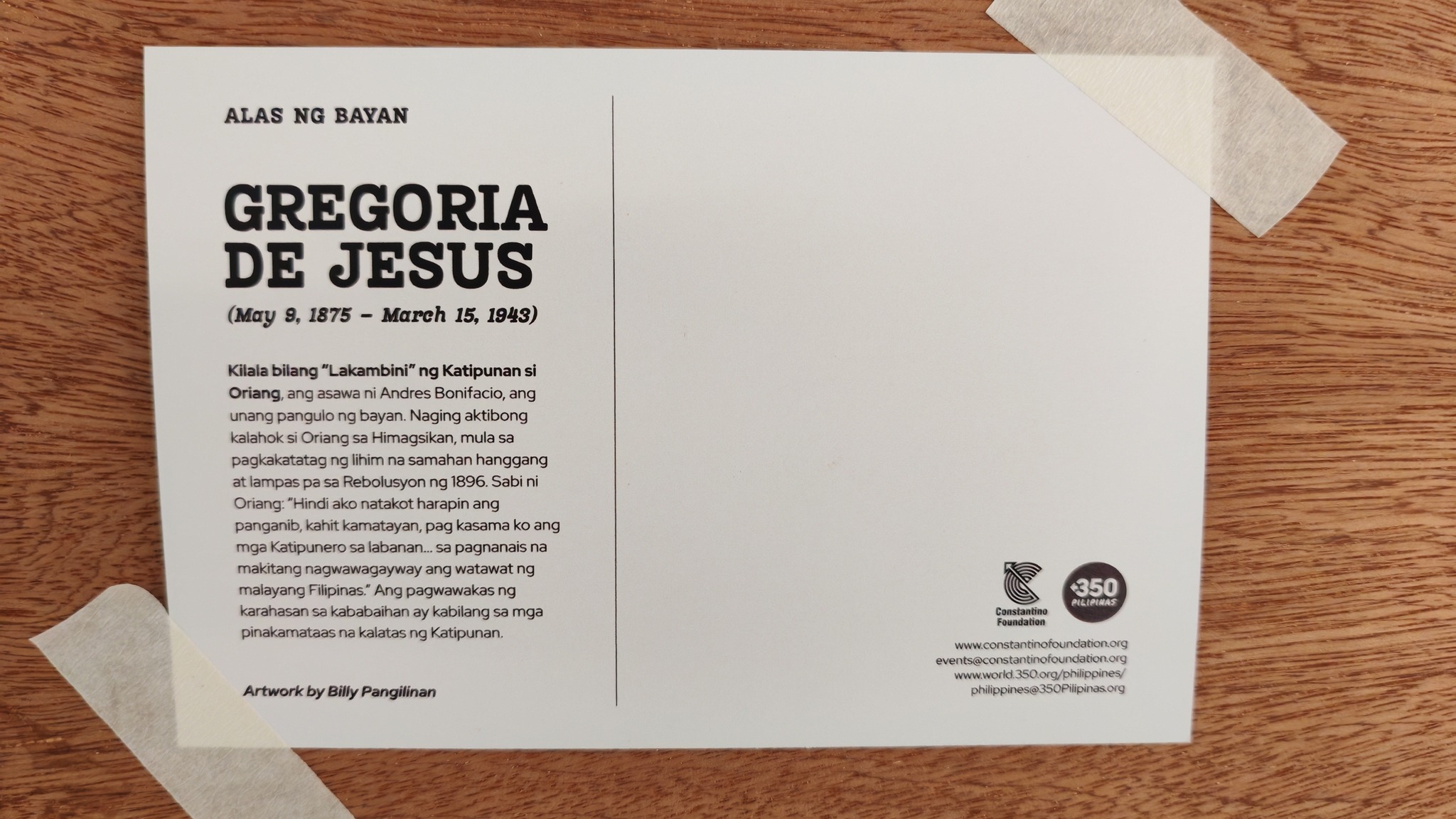
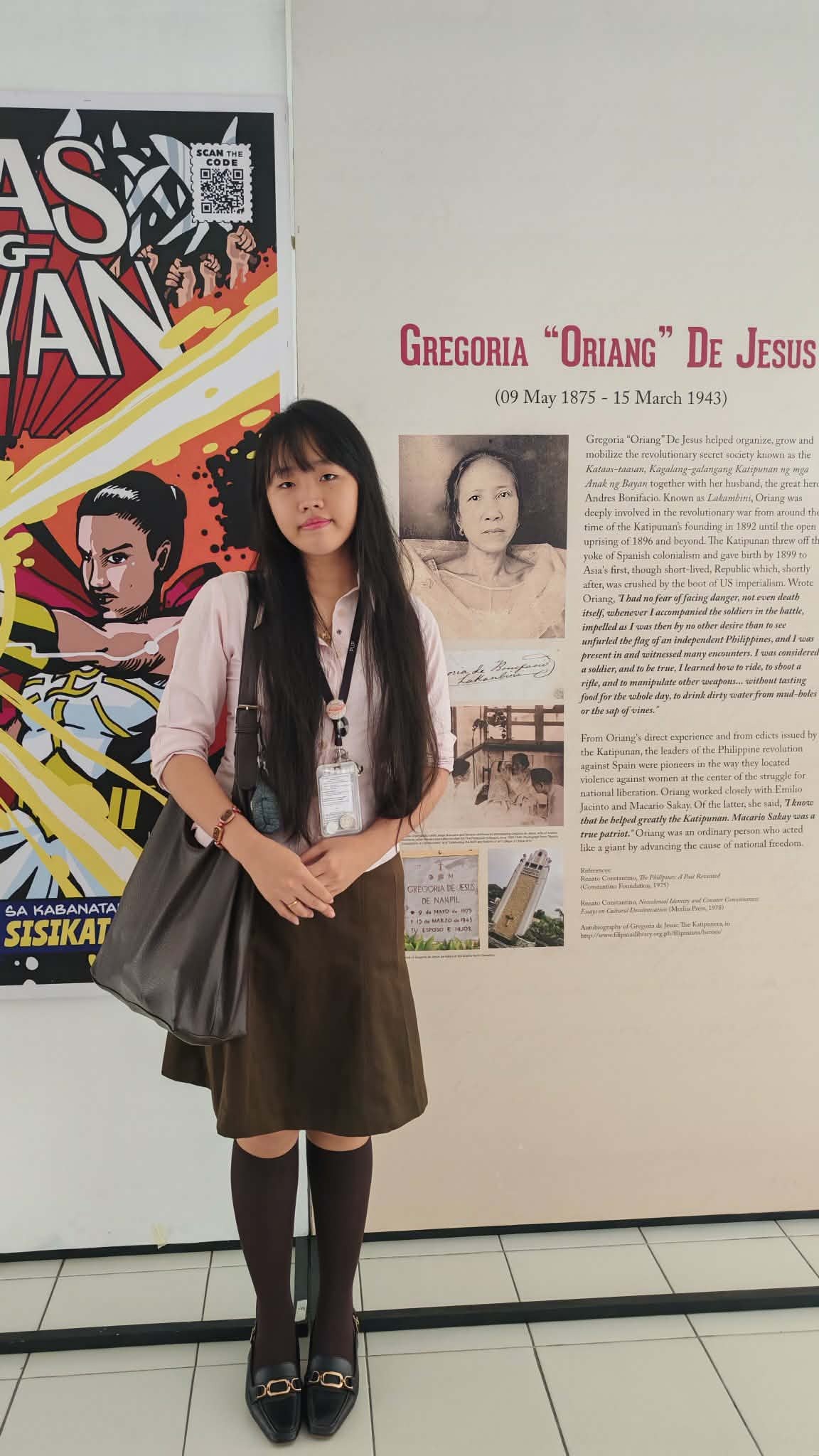
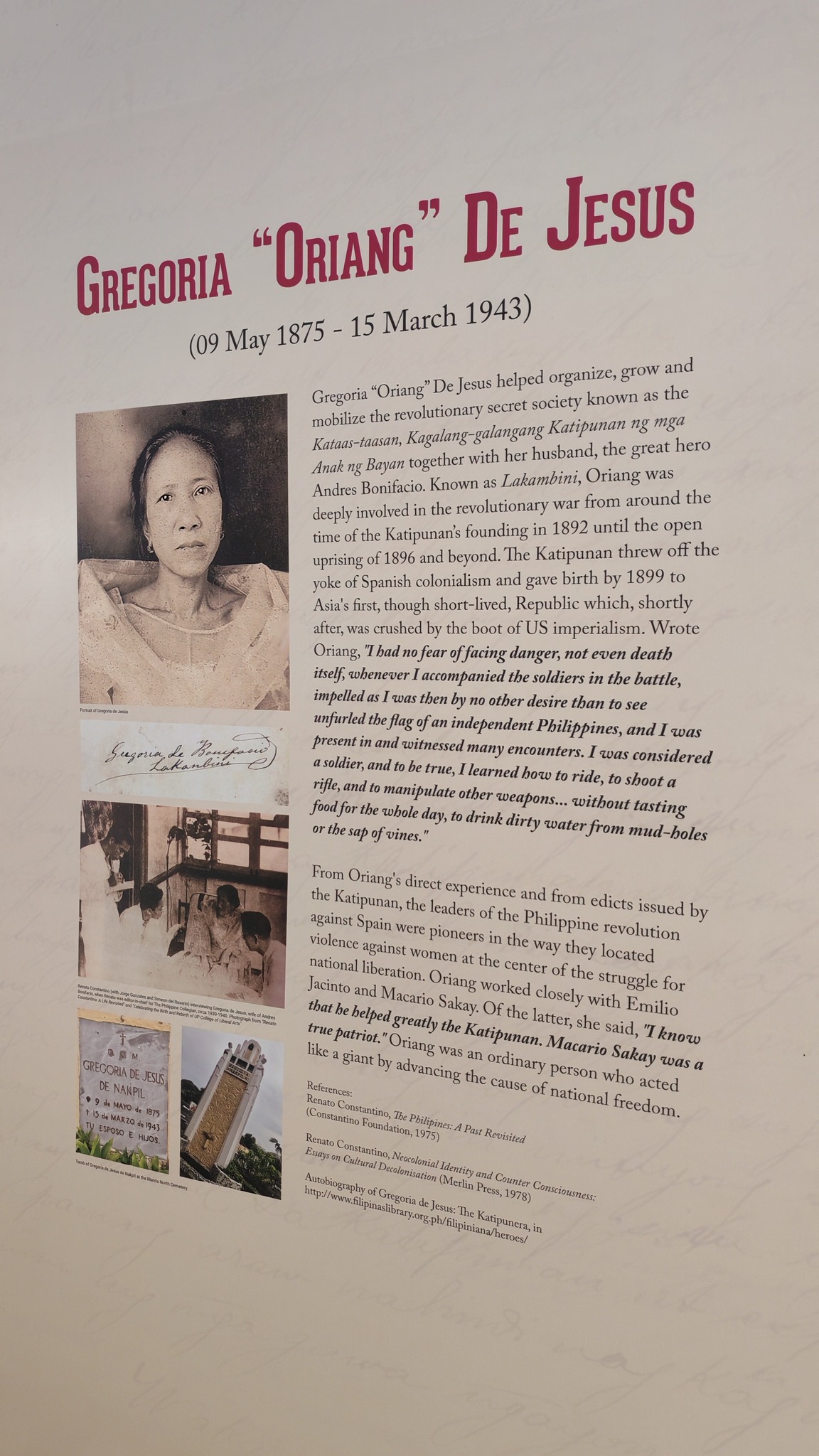
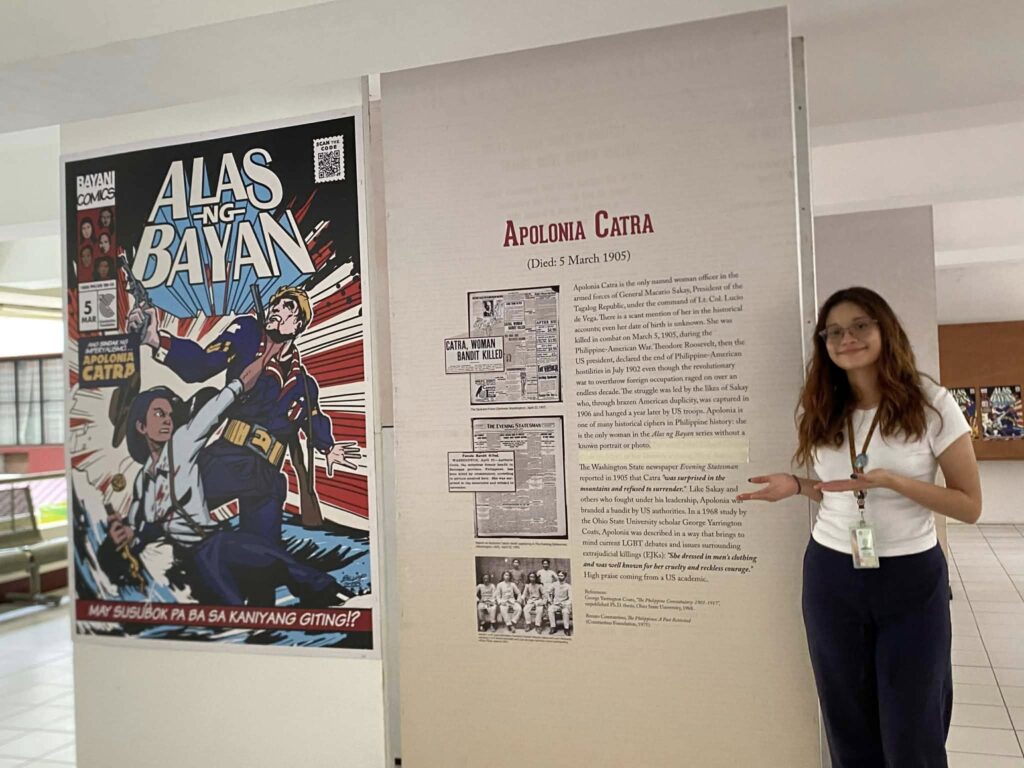
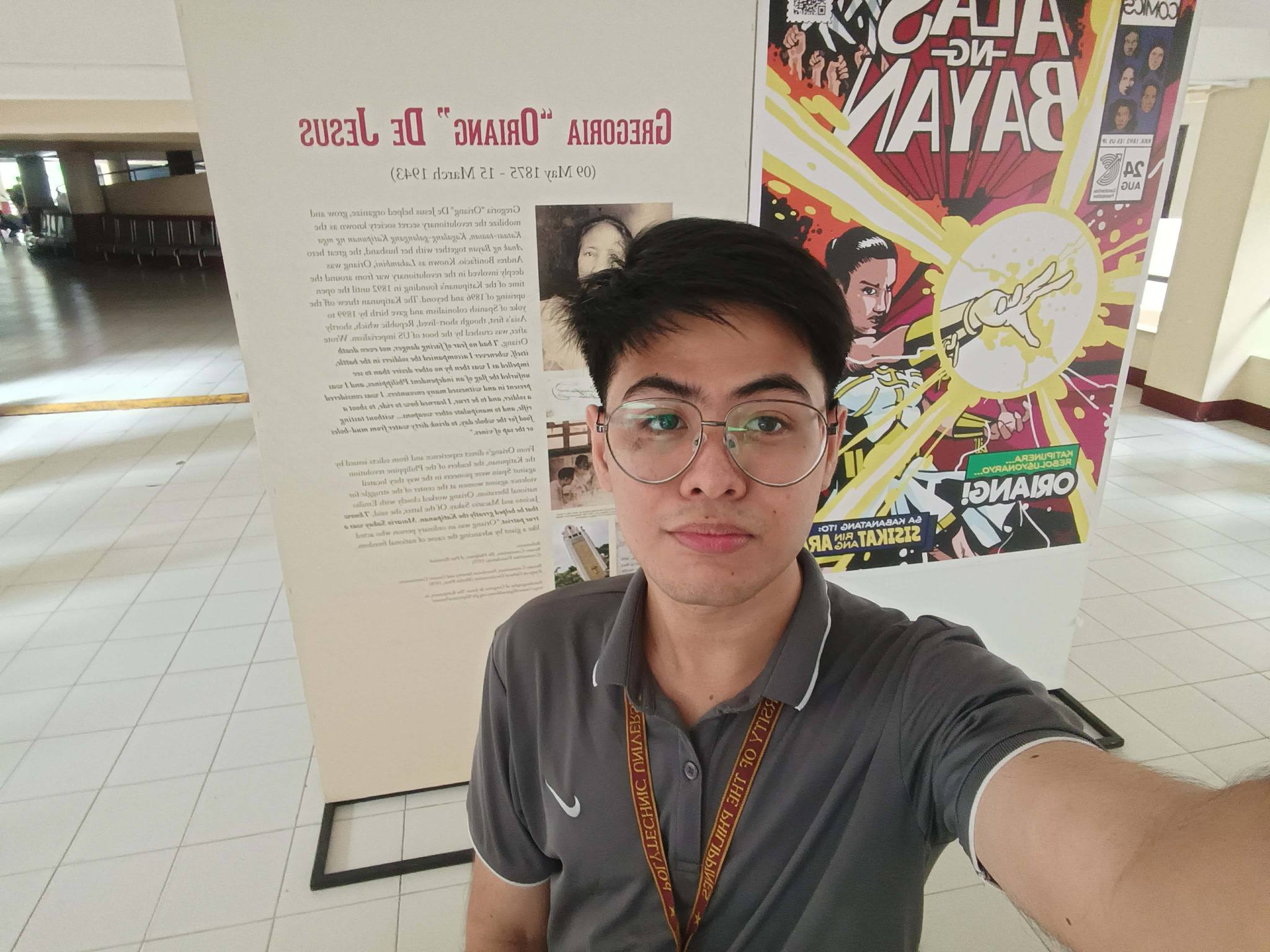
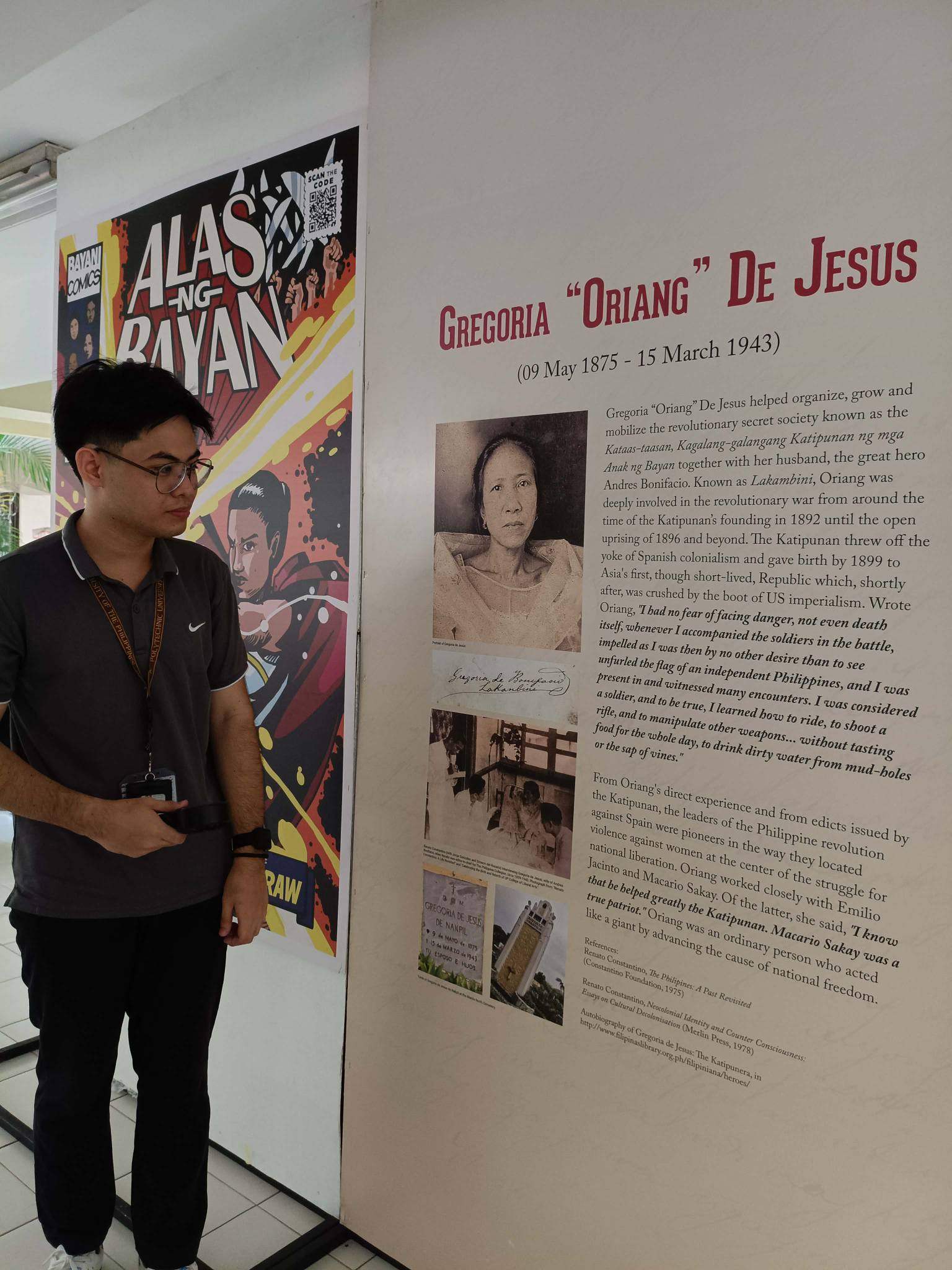
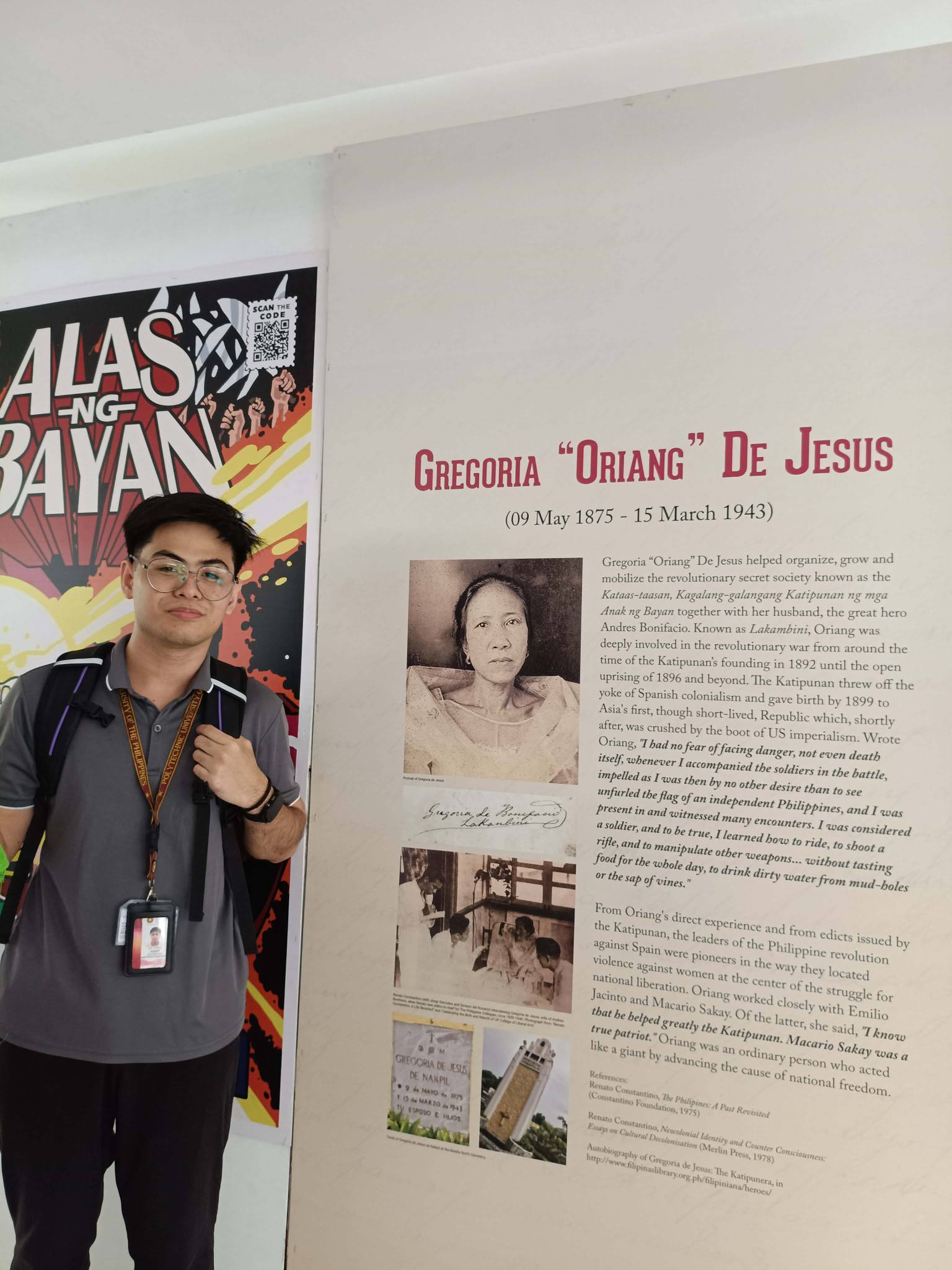
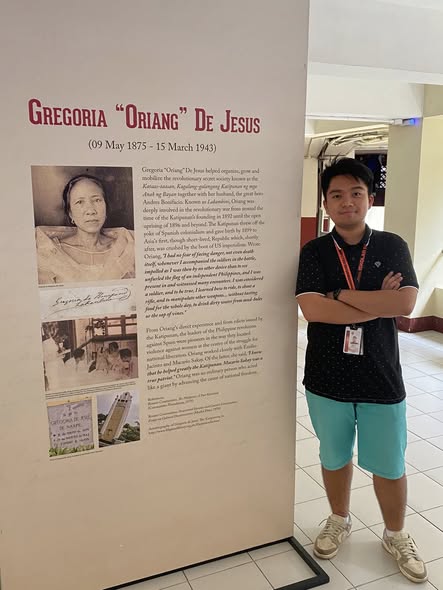
A significant number of students identified Gregoria “Oriang” de Jesus, the Lakambini of the Katipunan, as exemplary of women’s historical agency. Their reflections challenge narratives that confine her role to symbolic or domestic functions within the revolutionary movement.
One student wrote, “Hindi lamang siya asawa ng Supremo; isa siyang lider na may sariling paninindigan.” Another emphasized that Oriang’s life illustrates how women were “hindi nasa gilid ng rebolusyon, kundi nasa gitna nito.”
Through these interpretations, students assert that women’s labor, leadership, and endurance were integral to the survival and continuity of revolutionary movements, thereby contesting gendered omissions in dominant historiography.
Contemporary Figures and the Continuity of Struggle
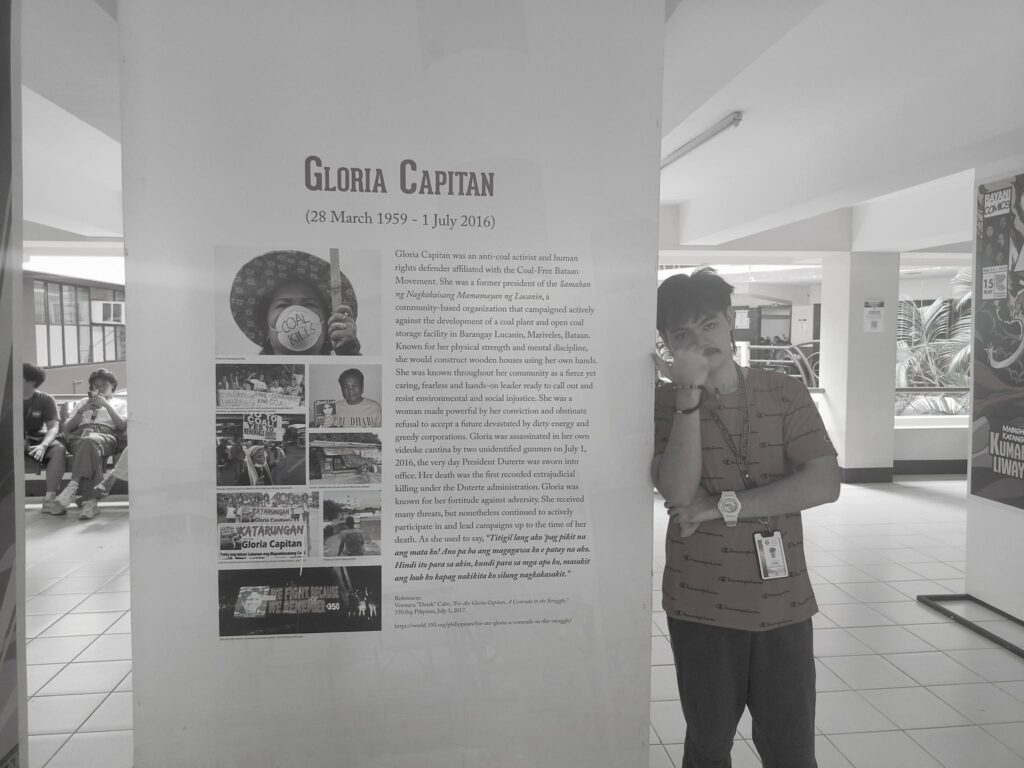
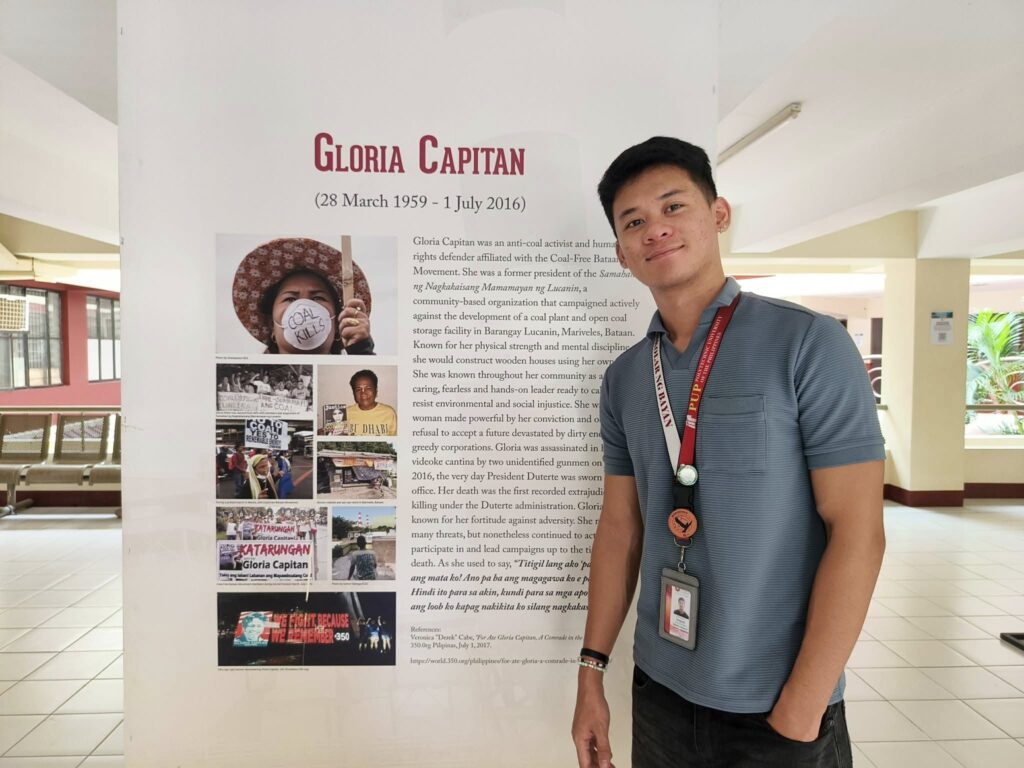
Students also extended the concept of Alas ng Bayan to contemporary contexts, identifying women whose activism addresses present-day social and environmental struggles. Figures such as Gloria “Ate Glo” Capitan, an environmental defender from Bataan, were cited as examples of modern heroism grounded in community advocacy.
A student described her as “isang halimbawa ng paninindigang hindi natitinag,” while another emphasized that her actions demonstrate how heroism persists “kahit sa harap ng banta at karahasan.” These reflections indicate an understanding of heroism as a living tradition that adapts to changing socio-political conditions while retaining its ethical core.
Historical Learning and Critical Consciousness
Beyond identifying heroic figures, student reflections demonstrate a developing historical consciousness attentive to questions of power, representation, and responsibility. One student observed, “Ang kasaysayan ay hindi lamang paggunita, kundi pag-unawa sa ating papel sa kasalukuyan.” Another noted that engaging with the exhibit revealed how historical narratives are shaped by whose voices are amplified or silenced.
Such responses suggest that Alas ng Bayan 2.0 functions as a pedagogical intervention that encourages critical engagement with history rather than passive consumption of established narratives.
The Youth as Historical Interpreters
Alas ng Bayan 2.0 positions the youth not as passive recipients of historical knowledge, but as active interpreters of history. Through critical reflection, students are invited to examine how heroism and national responsibility are understood across time and how these ideas acquire meaning in the present.
Student responses reflect an awareness of history as an ongoing process. As one student observed, “Ang kasaysayan ay hindi lamang tungkol sa nakaraan, kundi tungkol sa kung paano tayo kikilos sa kasalukuyan.” Another asked, “ano ang papel ng kabataan sa pagpapatuloy ng mga laban ng bayan.”
These reflections indicate a developing historical consciousness in which young people recognize themselves as participants in continuing social struggles. By foregrounding student voices, Alas ng Bayan 2.0 challenges hierarchical models of historical knowledge and affirms that the youth can produce historically grounded and socially engaged interpretations.
Conclusion
Alas ng Bayan 2.0 approaches Philippine history as an active and contested field shaped by social struggle rather than as a fixed narrative of heroic figures. By foregrounding Filipinas as historical and political actors, the exhibit challenges reductive accounts of women’s participation and emphasizes the collective conditions under which resistance and nation-building take place.
The exhibit resists treating historical figures as isolated icons and instead situates them within broader movements, material realities, and ethical commitments. In doing so, Alas ng Bayan 2.0 reframes heroism as a relational and historically grounded practice rather than a spectacle detached from historical context.
Through the integration of student reflections, the exhibit demonstrates how historical meaning continues to be produced through critical engagement in the present. Rather than closing history through commemoration, Alas ng Bayan 2.0 opens it as an ongoing inquiry—one that remains deeply connected to questions of power, responsibility, and social transformation.
Student Engagement and Reflections
Reflection #1
Reflection #2
Reflection #3
Reflection #4
Reflection #5
Reflection #6


Reflection #7
Reflection #8
Reflection #9